09-01-2026

Wednesday 7 January 2026
In 2025, Gail A. M. Cresci published the article Understanding How Foods and Enteral Feedings Influence the Gut Microbiome in Nutrition in Clinical Practice. In this review article, she describes how diet, and enteral nutrition in particular affects the gut microbiome and the implications this has for clinical practice. For dietitians working with tube feeding, this article offers valuable insights.
The gut microbiome plays a central role in digestion, immune function, and the integrity of the intestinal barrier. It is involved in the fermentation of dietary fibers, the production of short-chain fatty acids (SCFAs) such as butyrate, and the regulation of inflammatory processes. The article shows that diet is the most influential and directly modifiable factor affecting the composition and activity of the microbiome.
Cresci demonstrates that dietary patterns rich in plant-based components and high in complex carbohydrates, fiber and phytonutrients are consistently associated with:
greater microbial diversity,
an increase in beneficial bacterial species, and
higher production of SCFAs, which support a healthy gut barrier and reduce inflammation.
In contrast, diets low in fiber and high in processing lead to reduced diversity and disruption of the microbiome (dysbiosis).
Many patients who depend on enteral nutrition already have a vulnerable microbiome, for example due to illness, medication use, or prolonged undernutrition. Standard tube feeding formulas often consist of highly processed ingredients, such as isolated proteins, refined carbohydrates, and added emulsifiers.
According to Cresci, this composition is associated with common gastrointestinal symptoms in tube-fed patients, including diarrhea, constipation, reflux, and bloating. These symptoms are linked to:
reduced SCFA production,
damage to the intestinal mucus layer, and
an increased inflammatory response.
A key focus of the article is the role of dietary fiber. Meta-analyses discussed by Cresci show that adding fiber to enteral nutrition is associated with:
less diarrhea,
less regurgitation, and
improved overall tolerance.
Fibers serve as substrates for microbial fermentation and prevent bacteria from using the intestinal mucus as an alternative energy source a process that can lead to damage to the gut lining and inflammation.
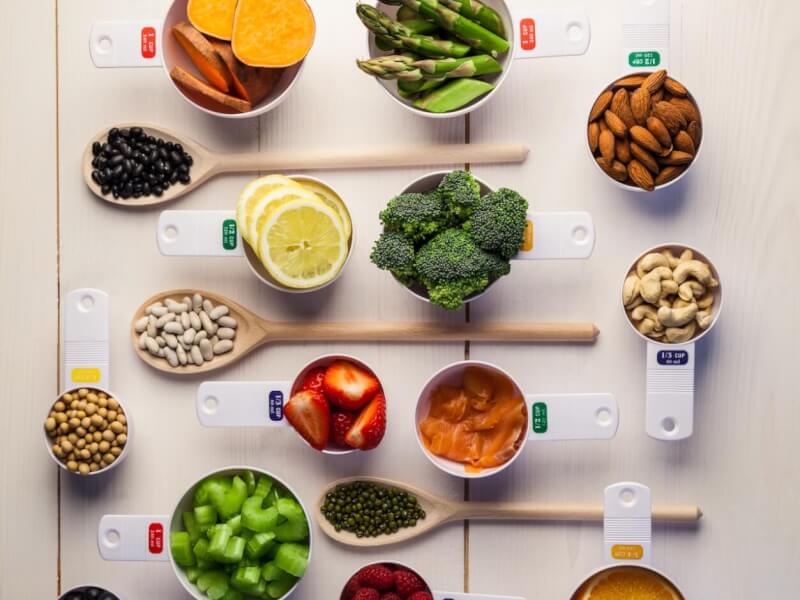
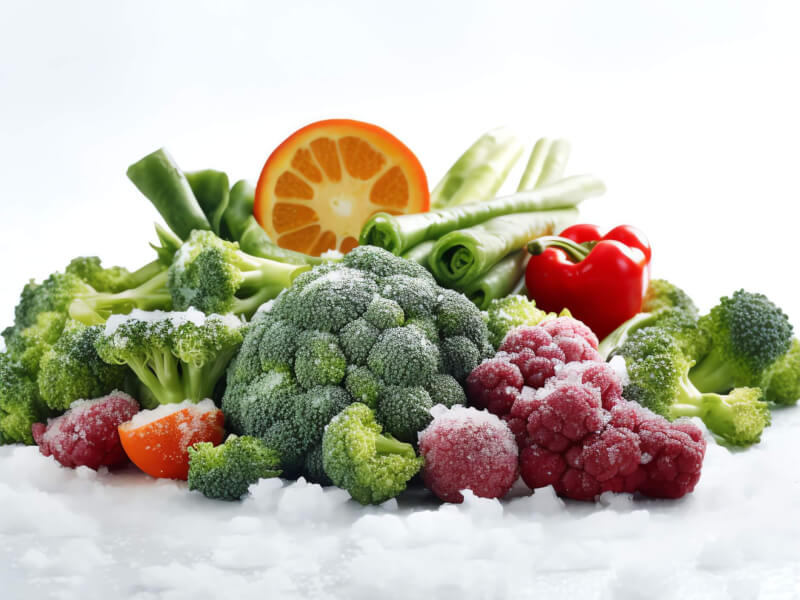
Beyond fiber quantity, the article emphasizes that the source and matrix of nutrients also matter. Nutrients derived from real foods (such as vegetables, fruits, and legumes) affect the microbiome differently than the same nutrients in isolated or highly processed forms.
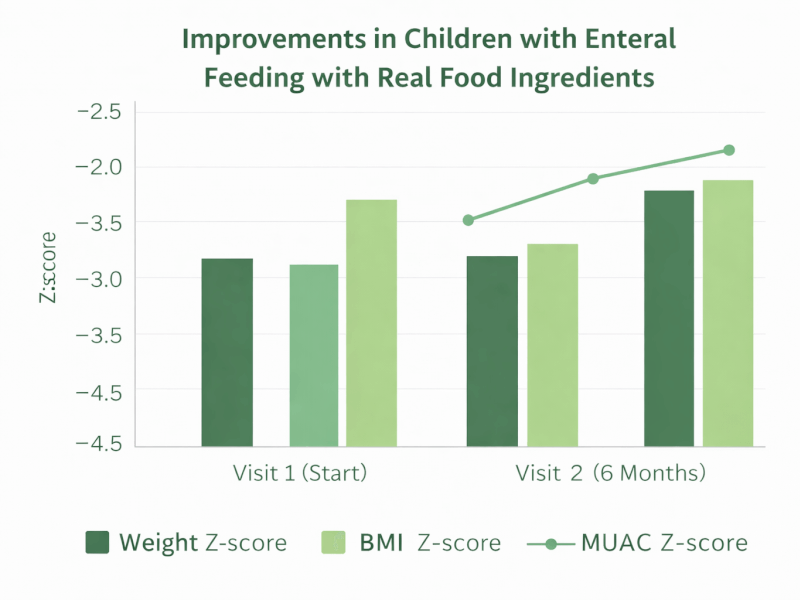
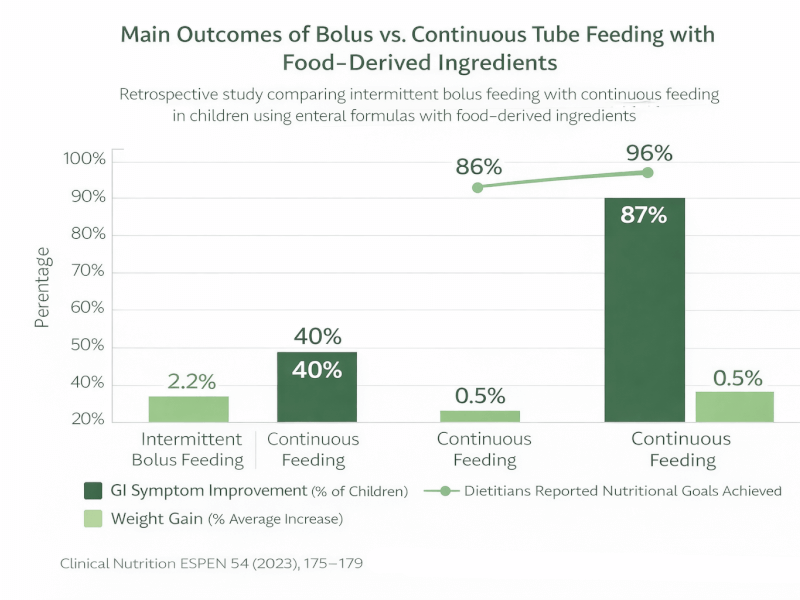
Cresci distinguishes between standard enteral formulas and so-called food-based or real food formulas. The available scientific evidence suggests that the latter:
have a more favorable impact on the microbiome,
are better tolerated, and
may lead to fewer GI symptoms.
The author notes that these findings are consistent with gut physiology, but that additional clinical research is needed to further substantiate long-term effects and clinical outcomes.
For dietitians, this article highlights the importance of:
considering tolerance in enteral nutrition,
paying attention to fiber content and fiber type in tube feeding, and
evaluating the source and degree of processing of ingredients.
The research encourages evaluating enteral nutrition not only based on macro- and micronutrients, but also on its potential impact on the gut microbiome a factor directly linked to symptoms, comfort, and quality of life.
Cresci’s article shows that diet and enteral nutrition have a direct and clinically relevant influence on the gut microbiome. Enteral nutrition based on real ingredients and natural fibers aligns more closely with gut physiology and provides a scientifically grounded explanation for improved tolerance. These insights form an important starting point for further innovation and research in enteral nutrition.